-
 040-3590 6315
In case of any emergency like severe pain, high fever or bleeding, please contact the above number
Make Appointment -
Call Us: +919949991115
-
 Mail Us: fertilicaivf@gmail.com
-
 Mon - Sat: 10:00 am - 6:00 pm






Ovulation Tracking and the Fertile Window
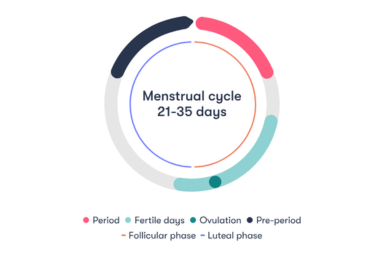
Ovulation Tracking and the Fertile Window
Ovulation Tracking to Boost Conception Chances
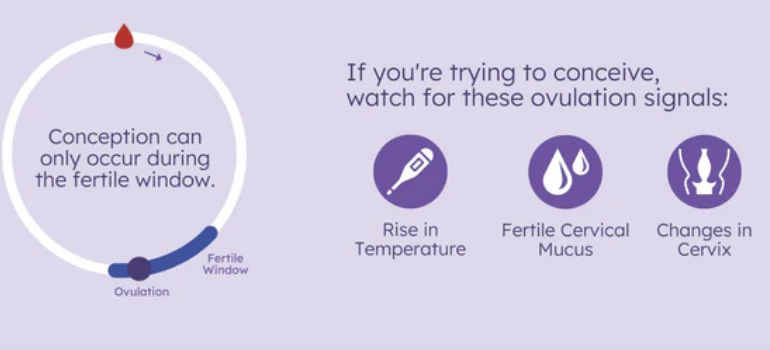
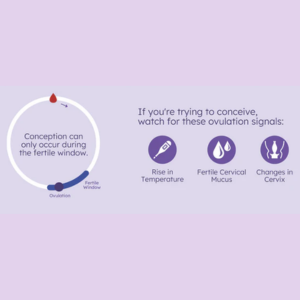
Tracking ovulation can help estimate the fertile window during the menstrual cycle. However, cycle patterns and ovulation timing vary between individuals, and tracking methods cannot guarantee conception.
What Happens During Ovulation?
Ovulation occurs when an ovary releases an egg. The egg can generally be fertilised for around 12–24 hours after release. The fertile window also includes the days before ovulation because sperm may survive in the reproductive tract for several days under suitable conditions.
Common Ways to Track Ovulation
1. Ovulation Predictor Kits (OPKs)
Ovulation predictor kits detect a rise in luteinising hormone (LH), which usually occurs before ovulation. A positive result suggests that ovulation may occur within approximately 24–36 hours, although timing can vary and a positive result does not confirm that ovulation has occurred.
2. Basal Body Temperature (BBT) Tracking
Basal body temperature is the body's resting temperature. A slight, sustained rise may occur after ovulation due to hormonal changes. Recording temperatures over several cycles may help identify patterns, but this method generally helps indicate that ovulation has occurred rather than predict its exact timing.
3. Cervical Mucus Observation
Cervical mucus may become clearer, wetter and more stretchy around the fertile window. These changes can help indicate approaching ovulation, but mucus patterns vary and may be affected by other factors.
4. Ultrasound Follicular Monitoring
Ultrasound follicular monitoring involves examining follicle development through scans performed at intervals recommended by a healthcare professional. It can provide clinical information about follicular growth and help assess ovulation timing, although findings must be interpreted in the context of the individual's clinical situation.
Why Is Ovulation Tracking Used?
- Helps estimate the fertile window.
- Provides information about menstrual-cycle patterns.
- May help identify patterns that warrant further assessment.
- Can inform discussions about fertility planning with a healthcare professional.
Tracking alone cannot diagnose every ovulation disorder or determine overall fertility.
Conclusion
Ovulation tracking can provide information about menstrual-cycle patterns and the estimated fertile window. Each method has limitations, and results may be less reliable for people with irregular cycles or certain hormonal conditions. Anyone concerned about irregular periods, ovulation or difficulty conceiving can discuss appropriate evaluation with a qualified healthcare professional.
Latest Blogs