





Fertility Preservation in Hyderabad

Modern fertility preservation techniques allow individuals and couples to safeguard their future reproductive potential. At Fertilica IVF, we offer advanced Fertility Preservation in Hyderabad for women and men who wish to delay parenthood, undergo medical treatments that may affect fertility, or proactively protect their reproductive options. Using state-of-the-art cryopreservation technology, our fertility specialists help patients preserve eggs, sperm, embryos, or reproductive tissue for future use, providing greater flexibility and peace of mind when planning a family.
What is Fertility Preservation?
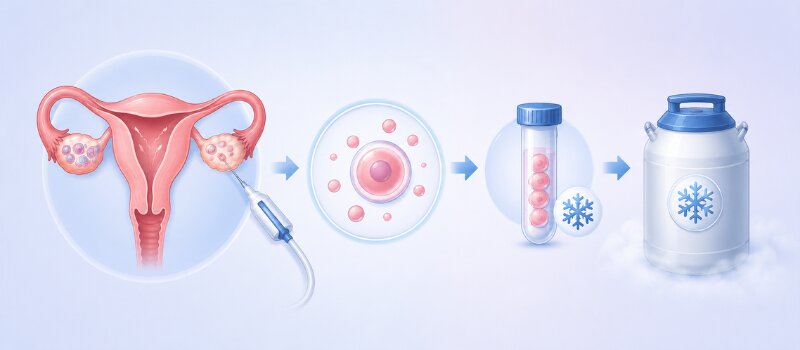
Fertility Preservation is a specialized reproductive procedure that involves freezing and storing eggs, sperm, embryos, or reproductive tissue for future use. It enables individuals to preserve their fertility before age-related decline, cancer treatment, surgery, gender-affirming treatment, or other medical conditions that may affect reproductive health.
Common fertility preservation options include:
- Egg Freezing (Oocyte Cryopreservation)
- Sperm Freezing (Semen Cryopreservation)
- Embryo Freezing
- Ovarian Tissue Freezing
- Testicular Tissue Preservation (selected cases)
Advances in vitrification and cryopreservation technology have significantly improved survival rates after thawing, making fertility preservation an increasingly successful option for future family building.
How Does Fertility Preservation Work?
Step 1
Comprehensive Fertility Assessment
The process begins with a detailed evaluation of reproductive health, including hormonal testing, ultrasound scans, ovarian reserve assessment, and semen analysis when required.
Step 2
Fertility Counselling
Our specialists discuss fertility goals, timelines, preservation options, and future family planning considerations.
Step 3
Personalized Treatment Planning
A customized preservation strategy is developed based on age, medical condition, reproductive goals, and fertility status.
Step 4
Selection of Preservation Method
Patients may choose egg freezing, embryo freezing, sperm freezing, or tissue preservation depending on their circumstances.
Step 1
Ovarian Stimulation (For Egg or Embryo Freezing)
Hormonal medications stimulate the ovaries to produce multiple mature eggs.
Step 2
Egg Retrieval or Sperm Collection
Eggs are collected through a minimally invasive procedure, while sperm samples are obtained through standard collection methods.
Step 3
Fertilization for Embryo Freezing
For couples choosing embryo preservation, retrieved eggs are fertilized using IVF or ICSI before freezing.
Step 4
Cryopreservation Process
Eggs, sperm, or embryos are frozen using advanced vitrification techniques to maximize survival rates after thawing.
Step 1
Secure Long-Term Storage
Preserved reproductive material is stored in highly controlled cryogenic facilities.
Step 2
Ongoing Monitoring
Storage conditions are continuously monitored to maintain specimen quality and viability.
Step 3
Future Family Planning
When ready for pregnancy, frozen eggs, sperm, or embryos can be thawed and used in assisted reproductive treatments.
Step 4
Fertility Treatment Support
Our fertility specialists guide patients through future IVF, ICSI, or embryo transfer procedures when they decide to conceive.
Fertility Preservation Success Rate in Hyderabad
The success of fertility preservation depends on several factors, including age at the time of freezing, reproductive health, the number of eggs or embryos preserved, and the quality of laboratory cryopreservation techniques. Generally, younger patients achieve better outcomes because egg and sperm quality are higher. Modern vitrification technology has dramatically improved thaw survival rates, making fertility preservation a highly effective option for protecting future fertility.
| Patient Age | Success Rate | Notes |
|---|---|---|
| Under 30 Years | 85% – 95% | Highest egg quality and future pregnancy potential |
| 30 – 34 Years | 80% – 90% | Excellent preservation outcomes |
| 35 – 37 Years | 70% – 85% | Success depends on ovarian reserve and egg quality |
| 38 – 40 Years | 60% – 75% | Reduced egg quantity and quality may affect outcomes |
| Above 40 Years | 40% – 60% | Earlier preservation is generally recommended |
Fertility Preservation Cost in Hyderabad
At Fertilica IVF, we believe patients should have complete clarity regarding fertility preservation costs. The overall cost depends on the preservation method selected, medications required, laboratory procedures, and annual storage fees.
Before treatment begins, our team provides a transparent cost breakdown so patients can make informed decisions about preserving their fertility without unexpected expenses.
Factors Affecting Fertility Preservation Cost
- Initial fertility consultation and assessment
- Hormonal testing and diagnostic investigations
- Ovarian stimulation medications
- Egg retrieval procedure
- IVF or ICSI costs (for embryo freezing)
- Cryopreservation laboratory charges
- Number of eggs, sperm samples, or embryos preserved
- Annual storage and maintenance fees
- Duration of storage
- Additional fertility procedures if required
Fertility Preservation Cost Comparison in India & Worldwide
| Country | Approximate Cost |
|---|---|
| India | ₹80,000 – ₹2,50,000 |
| USA | $6,000 – $14,500 |
| UK | £2,600 – £7,000 |
| UAE | AED10,500 – AED26,000 |
| Singapore | SGD5,500 – SGD13,500 |
| City | Approximate Cost |
|---|---|
| Hyderabad | ₹80,000 – ₹2,50,000 |
| Bangalore | ₹1,00,000 – ₹3,00,000 |
| Chennai | ₹90,000 – ₹2,80,000 |
| Mumbai | ₹1,20,000 – ₹3,50,000 |
| Delhi | ₹1,00,000 – ₹3,50,000 |
Why Choose Fertilica IVF for Fertility Preservation in Hyderabad?
At Fertilica IVF, we provide comprehensive fertility preservation services designed to protect your future reproductive potential through advanced egg, sperm, and embryo freezing technologies. Our experienced fertility specialists and embryologists use state-of-the-art cryopreservation techniques in a modern laboratory to ensure the highest standards of safety, precision, and specimen quality. We create personalized fertility preservation plans based on each individual's medical condition, age, and future family planning goals. With high survival rates after thawing, secure long-term storage facilities, transparent pricing, ethical treatment practices, and comprehensive fertility counselling, we help patients make informed decisions with confidence. By offering future fertility treatment planning under one roof, Fertilica IVF provides continuous support from fertility preservation through to family building whenever the time is right.
Who is Eligible for Fertility Preservation?
Fertility preservation is recommended for individuals and couples who wish to safeguard their reproductive potential for the future. It is an ideal option for women who want to delay pregnancy for personal, educational, or career reasons, as well as individuals diagnosed with cancer before undergoing chemotherapy or radiation therapy that may affect fertility. The treatment is also suitable for patients receiving medical therapies that can impact reproductive function, women with low ovarian reserve or a risk of premature ovarian insufficiency, and couples planning future family building. In addition, fertility preservation can benefit individuals undergoing gender-affirming treatments, patients with endometriosis or other reproductive health conditions that may compromise fertility, men facing medical treatments that could affect sperm production, and anyone seeking greater reproductive autonomy and future fertility options. A detailed fertility assessment helps determine the most appropriate preservation method based on each patient's health, age, and long-term family planning goals.
How to Prepare for Fertility Preservation — Pre-Treatment Checklist
Proper preparation before fertility preservation treatment helps ensure the best possible outcomes and provides greater confidence in your future family-building plans. At Fertilica IVF, our specialists guide you through every step of the process to help safeguard your reproductive potential.
Medical Preparation
Begin with a comprehensive fertility consultation and evaluation to assess your reproductive health. Your specialist may recommend hormonal blood tests, ultrasound scans, and other fertility assessments to determine the most suitable preservation strategy. Review your complete medical history, current medications, and any underlying health conditions with your doctor. For male patients, a semen analysis may be performed to evaluate sperm health and quality.
Treatment Planning
Discuss your fertility goals, future pregnancy plans, and personal circumstances with your fertility specialist. Based on your age, reproductive health, and medical needs, the most appropriate fertility preservation option will be recommended. It is important to understand the treatment process, storage requirements, expected timelines, and how preserved eggs, sperm, or embryos may be used in the future.
Lifestyle Preparation
Maintain a healthy body weight and follow a balanced diet rich in essential nutrients that support reproductive health. Stop smoking and limit alcohol consumption, as these factors can negatively impact egg and sperm quality. Regular exercise, adequate sleep, and effective stress management can further support overall well-being during the fertility preservation process.
Financial & Emotional Preparation
Review all treatment costs, long-term storage fees, and financial considerations before beginning treatment. Carefully read and complete all consent forms and legal documentation related to cryopreservation and storage. Consider counselling or support services if you feel anxious about the process, and build a strong support network of family, friends, or loved ones to assist you throughout your fertility preservation journey.
Proper planning, timely intervention, and advanced cryopreservation technology can help maximize future fertility opportunities and provide greater reproductive flexibility for years to come.
Frequently Asked Questions
Everything you need to know about Fertility Preservation at Fertilica