-
 040-3590 6315
In case of any emergency like severe pain, high fever or bleeding, please contact the above number
Make Appointment -
Call Us: +919949991115
-
 Mail Us: fertilicaivf@gmail.com
-
 Mon - Sat: 10:00 am - 6:00 pm






Natural Conception vs IVF: Understanding the Differences
Natural Conception vs IVF: Understanding the Differences
IVF vs Natural Pregnancy Pros and Cons Guide

Deciding between natural conception and in vitro fertilisation (IVF) depends on individual circumstances. The two approaches differ in process, medical involvement, costs and potential risks. The appropriate option depends on factors such as reproductive health, medical history and previous fertility treatment.
Natural Conception
Natural conception occurs when fertilisation takes place within the reproductive tract. The likelihood of conception depends on several factors, including ovulation, sperm health, fallopian-tube function and other reproductive health considerations.
Potential considerations
-
Does not involve IVF procedures or IVF-related medication.
-
May involve fewer treatment-related costs, although consultations or investigations may still be needed.
-
The time required to conceive varies between individuals and couples.
Limitations
-
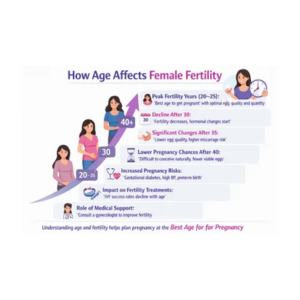
Age can influence fertility, although individual circumstances vary.
-
Conception may take time.
-
Certain medical conditions may reduce the likelihood of natural conception.
IVF (In Vitro Fertilisation)
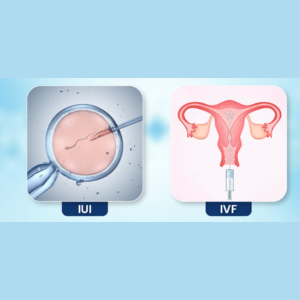
IVF is an assisted reproductive technique in which eggs are collected and fertilised with sperm in a laboratory. If embryo development proceeds appropriately, an embryo may be transferred to the uterus.
Potential considerations
-
May be considered for certain fertility conditions, depending on clinical assessment.
-
Follows a planned treatment schedule, although timing and outcomes can vary.
-
May be an option when specific reproductive factors make natural conception more difficult.
Limitations
-
Involves treatment, medication, monitoring and laboratory procedures.
-
Costs vary depending on the treatment plan, medication and additional procedures.
-
Treatment may involve physical discomfort, emotional stress and medical risks.
-
Pregnancy is not guaranteed, and outcomes vary between individuals.
How Are Fertility Treatment Options Assessed?
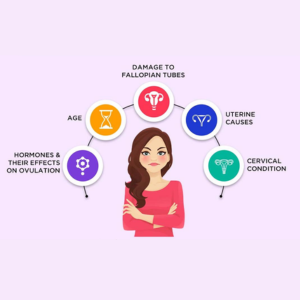
A fertility specialist may consider factors such as:
-
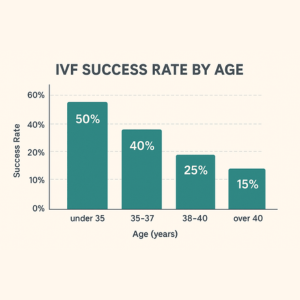
Age and ovarian reserve, where relevant
-
Duration of trying to conceive
-
Medical history and underlying conditions
-
Ovulation, sperm health and reproductive anatomy
-
Previous investigations and treatments
The relevance of each factor varies. A clinical assessment can help explain the available options, their limitations, potential risks and associated costs.
Conclusion
Natural conception and IVF involve different processes and considerations. Neither option is suitable for everyone, and IVF is not necessary in every case of difficulty conceiving. Decisions about fertility care should be based on individual medical circumstances and an informed discussion with a qualified healthcare professional.
Latest Blogs