-
 040-3590 6315
In case of any emergency like severe pain, high fever or bleeding, please contact the above number
Make Appointment -
Call Us: +919949991115
-
 Mail Us: fertilicaivf@gmail.com
-
 Mon - Sat: 10:00 am - 6:00 pm






Common Female Fertility Issues and Their Evaluation

Common Female Fertility Issues and Their Evaluation
Common Female Fertility Issues & Treatment Options
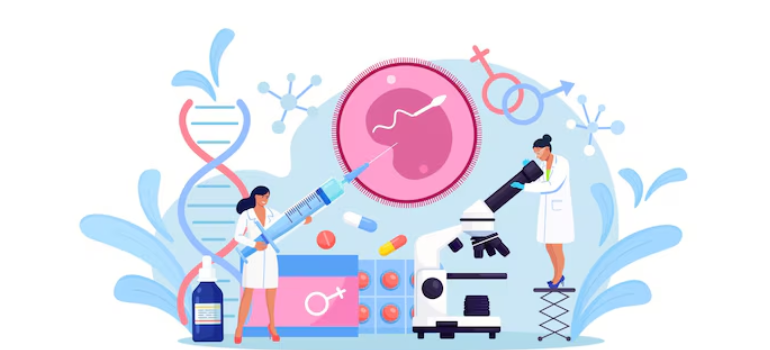
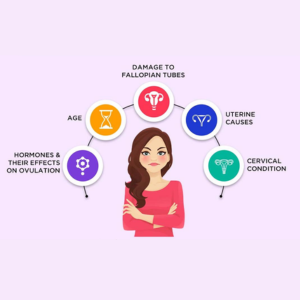
Female fertility can be influenced by several underlying medical and reproductive factors. Their effects vary between individuals, and appropriate evaluation can help identify relevant factors and guide discussions about possible management options.
Common Causes of Female Fertility Issues
1. Polycystic Ovary Syndrome (PCOS)
PCOS is a hormonal condition that may affect ovulation and menstrual-cycle regularity. It may be associated with irregular periods, acne and excess facial or body hair. Its effects on fertility vary between individuals.
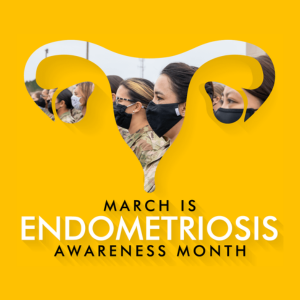
2. Endometriosis
Endometriosis is a condition in which tissue similar to the lining of the uterus grows outside the uterus. It may cause pelvic pain and may affect fertility in some individuals. Symptoms and reproductive effects vary.
3. Blocked or Damaged Fallopian Tubes
Blocked or damaged fallopian tubes may interfere with the movement of the egg or sperm and can affect fertilisation. The impact on conception depends on the location and extent of the condition and other reproductive factors.
4. Low Ovarian Reserve
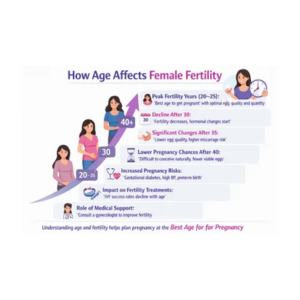
Ovarian reserve refers to the remaining quantity of eggs in the ovaries. It may decline with age, although individual variation exists. Ovarian reserve tests provide information about ovarian function but cannot, on their own, determine whether natural conception is possible.
Treatment Options
Treatment depends on the underlying condition, medical history and individual reproductive goals. Options may include:
- Ovulation-induction medications: May be considered for selected ovulatory conditions, with appropriate monitoring.
- Hormonal treatments: May be used to manage certain hormonal conditions or related symptoms, depending on the clinical indication.
- Surgical procedures: May be considered for selected gynaecological or tubal conditions after discussing potential benefits and risks.
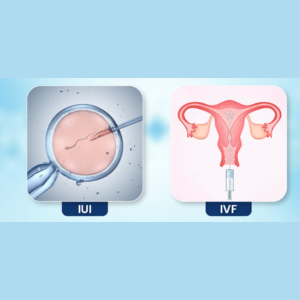
- Assisted reproductive techniques, including IVF: May be discussed when clinically appropriate, based on the findings of an individual assessment.
Not every treatment is suitable for every individual. A healthcare professional can explain the available options, their limitations and potential risks.
Conclusion
Female fertility concerns can have different causes and may affect individuals in different ways. A clinical evaluation can help identify relevant factors and inform a discussion about appropriate management options. Treatment decisions should be based on individual medical circumstances and an informed discussion with a qualified healthcare professional.
Latest Blogs