-
 040-3590 6315
In case of any emergency like severe pain, high fever or bleeding, please contact the above number
Make Appointment -
Call Us: +919949991115
-
 Mail Us: fertilicaivf@gmail.com
-
 Mon - Sat: 10:00 am - 6:00 pm






How Lifestyle Impacts Fertility in Your 30s
How Lifestyle Impacts Fertility in Your 30s
How Lifestyle Impacts Fertility in Your 30s

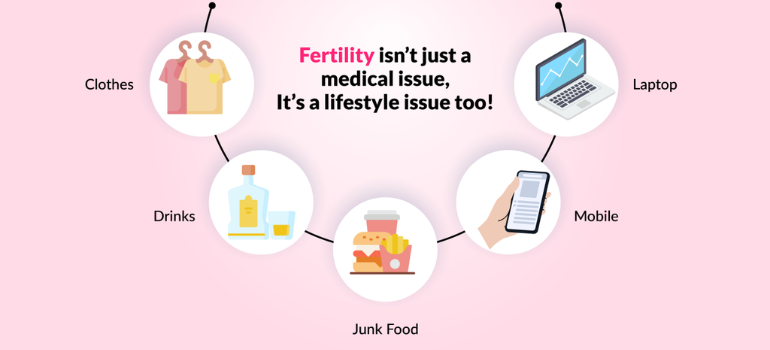
Entering your 30s often brings subtle changes in fertility. While age-related decline is natural, everyday habits can either support or hinder reproductive health. Making informed lifestyle choices can improve your chances of conception.
Key Lifestyle Factors That Affect Fertility
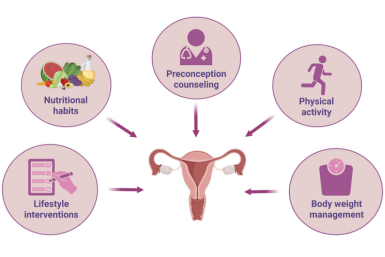
1. Nutrition and Food Quality
A healthy diet supports reproductive function. Antioxidants protect eggs and sperm, while proteins and healthy fats support hormone production.
2. Body Weight and Hormonal Balance
Maintaining a healthy weight helps regulate hormones. Both excess and low weight can disrupt ovulation.
3. Stress and Emotional Health
Chronic stress can affect hormonal balance. Activities like exercise or relaxation techniques help manage stress.
4. Sleep and Recovery
Quality sleep is essential for hormone regulation and reproductive health.
5. Smoking and Alcohol Use
Smoking and alcohol negatively impact fertility and should be minimized or avoided.
Practical Steps to Support Fertility Naturally
- Eat a balanced, nutrient-rich diet
- Exercise regularly
- Manage stress effectively
- Maintain proper sleep patterns
- Avoid harmful substances
Conclusion
Lifestyle choices in your 30s play a key role in fertility. Healthy habits can improve your chances of conception and support a healthy pregnancy.
Latest Blogs

50778.png "Endometriosis Awareness")