-
 040-3590 6315
In case of any emergency like severe pain, high fever or bleeding, please contact the above number
Make Appointment -
Call Us: +919949991115
-
 Mail Us: fertilicaivf@gmail.com
-
 Mon - Sat: 10:00 am - 6:00 pm






Best Age for Pregnancy: Natural vs IVF Guide
Best Age for Pregnancy: Natural vs IVF Guide
Best Age for Pregnancy Natural vs IVF Guide

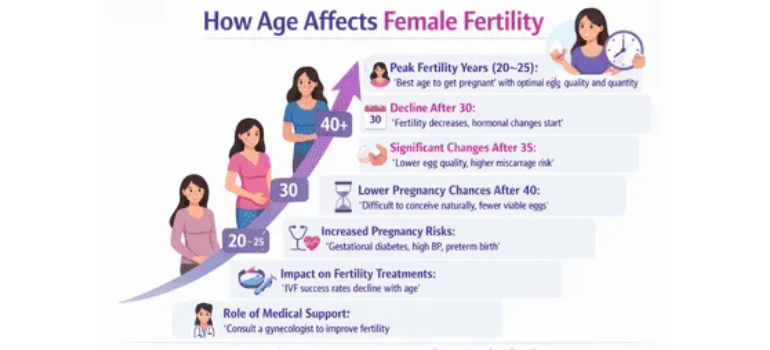
Deciding when to start a family is a deeply personal choice, but age significantly influences fertility. Understanding how reproductive potential changes over time helps in better planning.
Why Age Plays a Key Role in Fertility
A woman’s fertility changes due to natural biological processes:
- Reduction in ovarian reserve
- Declining egg quality
- Hormonal changes affecting ovulation
These factors impact conception and pregnancy outcomes.
Ideal Age for Natural Pregnancy
Ages 20–29: Peak Fertility Window
This phase offers the best chances for natural conception.
- Highest probability of pregnancy
- Better egg quality
- Lower complication risks
Ages 30–34: Fertility Remains Strong
Fertility is still good with slight decline.
- Slight reduction compared to 20s
- Good chances with proper timing
Age 35 and Beyond: Noticeable Changes
Fertility declines more rapidly.
- Reduced natural conception chances
- Higher miscarriage risk
- Increased reproductive issues
Best Age for Pregnancy Through IVF
Under 35 Years
- Highest success rates (50–60%)
- Better embryo quality
Ages 35–40
- Moderate success rates
- IVF often recommended if natural conception fails
Above 40 Years
- Lower success rates
- Donor egg IVF may help
When Should IVF Be Considered?
IVF may be suitable in cases such as:
- Difficulty conceiving after 6–12 months
- Blocked fallopian tubes
- Severe male infertility
- Failed IUI attempts
Planning Ahead: Practical Tips
- Avoid unnecessary delays
- Maintain a healthy lifestyle
- Get fertility assessments
- Consider egg freezing
The Value of Professional Guidance
Consulting a fertility specialist helps determine the best approach based on your condition.
Conclusion
Early awareness and informed decisions can significantly improve the chances of a successful pregnancy.
Latest Blogs

50778.png "Endometriosis Awareness")